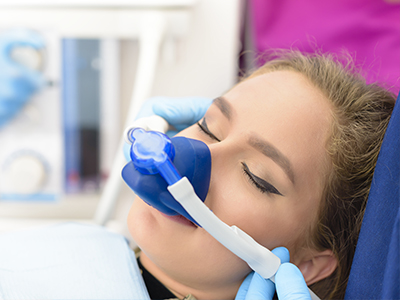
Anxiety around dental visits is common — many adults and children feel nervous about exams or procedures. If fear or unease keeps you from getting the care you need, the office of Po Dentistry offers safe, evidence-based sedation options designed to help patients feel calm and confident during treatment. Our goal is to remove barriers so routine care and necessary procedures are accessible and comfortable.
Sedation dentistry is not about escaping responsibility or being unaware of care; it’s a clinical tool that helps patients relax, reduces stress during longer appointments, and often makes treatment more efficient. Below you’ll find clear descriptions of how sedation works, when it’s appropriate, the options available in a dental office, and what to expect before, during, and after a sedated visit.
Sedation dentistry brings together medications and monitoring so patients can undergo dental care with reduced anxiety and improved physical comfort. Depending on the method chosen, sedation may create a mellow, drowsy state or a deeper sense of relaxation while patients remain responsive to verbal cues. Local anesthesia is still used to control pain at the treatment site; sedation addresses the emotional and physical stresses that can accompany dental work.
One key benefit of sedation is that it changes a patient’s experience of time and discomfort. Procedures that might feel lengthy or stressful can pass more easily, and many patients report little or no memory of the procedure itself. That effect helps reduce the trauma associated with difficult visits and makes follow-up care more likely.
Sedation is individualized. The dental team considers your medical history, anxiety level, current medications, and the planned treatment to recommend the most appropriate approach. Safety is the priority: we use established protocols and monitor vital signs to keep you comfortable and secure throughout the visit.

Sedation is often chosen for reasons that go beyond simple nervousness. People with intense dental phobia, a powerful gag reflex, extreme sensitivity in teeth or gums, or a history of traumatic dental experiences can find sedation transforms an otherwise intolerable visit into a manageable one. It also supports patients who need lengthy or complex procedures completed in fewer appointments.
For children or adults with special needs, cognitive impairments, or conditions that make sitting still difficult, sedation enables the delivery of safe, thorough care. Rather than postponing treatment and risking further oral health problems, sedation provides a practical path to the preventive and restorative care required to maintain long-term health.
Sometimes the choice is practical: extensive restorative work or combined procedures can be completed more comfortably when a patient is sedated, reducing the number of separate visits and minimizing repeated stress. Your dentist will explain whether sedation is likely to improve your specific treatment experience and which method would be best suited to your needs.
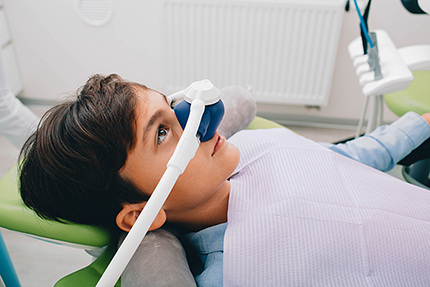
There are several commonly used sedation techniques in dental practices, each with different levels of depth and control. The right choice depends on your medical history, the complexity of the procedure, and your personal comfort goals. Dentists typically classify sedation into conscious sedation (where you remain responsive) and deeper forms that require higher levels of monitoring.
Before recommending a method, the dental team will review medications, medical conditions, and any previous reactions to sedatives or anesthesia. That screening helps select a safe approach and establish monitoring and recovery plans tailored to you. Clear instructions about pre-appointment preparation help ensure that sedation can be delivered safely.
Understanding the distinction between conscious sedation and general anesthesia helps set expectations for safety and recovery. Conscious sedation is commonly managed in-office by trained dental professionals; general anesthesia is more involved and is reserved for situations where no other option will allow safe care.
Conscious sedation produces relaxation and reduced awareness while keeping breathing and cardiovascular function stable. Patients can usually respond to verbal commands and adjust their level of cooperation as needed. This approach is well-suited for many routine and surgical dental procedures performed in an office setting.
General anesthesia places a patient in a deeper, controlled sleep and requires anesthesiology services and a hospital or surgical center environment. It is used when other methods are insufficient to provide safe and effective care. Your dentist will discuss whether general anesthesia is necessary in exceptional cases, but most patients needing sedation are good candidates for office-based conscious sedation.
Nitrous oxide, often called "laughing gas," is a mild, rapidly acting sedative delivered through a small mask. It reduces anxiety and physical response to stimuli while allowing quick recovery: the gas is stopped at the end of treatment and effects wear off within minutes. This makes nitrous oxide a flexible option for patients who want short-term relief without extended recovery time.
Oral sedation involves a prescribed pill taken prior to the appointment to produce a deeper state of calm. The degree of sedation varies with the medication and dose, and many patients feel drowsy and relaxed but remain able to respond to directions. Because oral sedatives have lasting effects, a responsible adult must accompany the patient to and from the office and remain available during initial recovery.
IV sedation delivers medications directly into the bloodstream for rapid onset and precise control. It can achieve significant, reliable relaxation for longer or more invasive procedures. Patients receiving IV sedation typically require fasting beforehand and must be accompanied by an escort after the appointment since coordination and judgment can be impaired during the early recovery period.
All monitored sedation methods in a dental office include ongoing observation of vital signs and readiness to respond to any changes. The dental team follows established safety standards to ensure that sedation is managed effectively from induction through recovery.
Preparation begins with an honest medical review. Your dentist will ask about medications, supplements, past reactions to anesthesia, and current health conditions. This information guides safe medication choices and identifies any special precautions that may be needed.
Specific instructions vary by sedation type. For example, IV sedation usually requires fasting for a set number of hours beforehand, while nitrous oxide does not. You will receive clear, written guidance about whether to take routine medications on the day of the procedure and what to bring to your appointment.
Because some sedative approaches affect coordination and judgment, arrange for a responsible adult to drive you home and stay with you as recommended. Wear comfortable clothing and plan for a calm post-procedure period. If you have questions about how to prepare, discuss them during your pre-treatment consultation so you can proceed with confidence.
During a sedated visit, practitioners monitor breathing, heart rate, and oxygen levels to ensure stability. Trained staff are present throughout the procedure to adjust medication levels, provide local anesthesia where needed, and attend to your comfort. This layered approach lets clinicians address both pain and anxiety safely and effectively.
Recovery times vary by sedation type. Nitrous oxide wears off quickly and many people feel ready to leave soon after the appointment; oral and IV sedation commonly require a longer rest period and an escort to accompany you home. Your provider will explain expected recovery steps and any temporary limitations, such as avoiding driving or making important decisions for the remainder of the day.
Follow-up care includes clear post-operative instructions, a plan for managing any discomfort, and guidance on when to resume normal activities or medications. If you experience unexpected symptoms after leaving the office, contact the dental team promptly so we can advise you and arrange any needed follow-up.
At Po Dentistry, our priority is to deliver safe, compassionate care that respects each patient’s needs and concerns. If sedation dentistry might improve your comfort or access to care, please contact us to learn more and discuss your options with a member of our team.
Sedation dentistry offers patients with general anxiety or fears about a dental procedure the opportunity to have a more comfortable and stress-free experience. By utilizing safe and controlled sedation techniques, the patient is eased into a state of complete relaxation before the procedure. This approach eliminates discomfort, pain, and preoperative anxiety, and typically makes patients feel more at ease post-operatively, as they have little or no memory of the actual moment-to-moment procedure.
Local anesthesia involves an injection directly into or close to the area where a procedure is being performed. While it eliminates any sensation of pain in the targeted area, it does not affect your state of mind or level of anxiety. When a patient receives sedation, additional medications to ease anxiety and promote relaxation are employed in advance of local anesthesia. In this way, both the stress and discomfort associated with a procedure are eliminated. Sedation can be administered in a variety of forms based upon patient needs and the recommendations of the dentist or dental anesthesiologist.
Choosing the most appropriate method of sedation for a procedure depends on a variety of factors such as a patient's medical history and their level of anxiety. Dental sedation can come in the form of nitrous oxide sedation, oral conscious sedation, and IV sedation. Certain patients receiving comprehensive treatment or undergoing a complex surgical procedure may require general anesthesia in a hospital setting.
Nitrous oxide, or "laughing gas," is a mild sedative, which is inhaled through a small mask over the nose. A standard in dental sedation for decades, the effects of nitrous oxide are almost immediate and wear off quickly once your procedure is completed.
Oral sedation involves the prescription of an oral medication prior to your appointment. Taken at the recommended time before your visit, oral sedation allows you to feel fully relaxed by the time you're ready for your procedure. With oral sedation, it's necessary to plan on having an escort to and from your dentist's office.
IV Sedation is administered intravenously, or directly into a vein. It is typically indicated when a deeper state of sedation is required. Your dentist will provide you with specific instructions before your visit, and require that you have an escort for the trip home from your appointment.
Sedation dentistry uses medications to reduce anxiety and help patients relax during dental procedures. It can range from mild anxiolytics to deeper levels of conscious sedation administered and monitored by trained dental professionals. The primary goal is to improve patient comfort while allowing the dental team to provide safe, efficient care.
Sedation helps patients who avoid the dentist because of fear, have a strong gag reflex, or require lengthy or complex treatment. Depending on the method chosen, patients may feel drowsy and often have limited or no memory of the procedure afterward. Local anesthetic is used alongside sedation so the treatment area remains numb and pain-free.
Conscious sedation reduces anxiety while patients remain responsive to verbal cues and breathe independently throughout the procedure. Patients under conscious sedation generally retain protective reflexes and cardiovascular stability, and the level of sedation can be adjusted as needed. This makes conscious sedation appropriate for many in-office dental procedures.
General anesthesia produces a deeper state of unconsciousness and is typically administered in a hospital setting by an anesthesiologist. It is reserved for complex cases or situations in which other forms of sedation cannot provide adequate conditions for safe treatment. Your dental team will recommend the appropriate level of sedation based on medical history, treatment needs, and safety considerations.
Common in-office options include inhalation sedation with nitrous oxide, oral sedation using prescribed medications, and intravenous (IV) sedation for more controlled, deeper relaxation. Nitrous oxide is delivered through a small nasal mask, works quickly, and wears off rapidly after the gas is stopped. Oral sedatives are taken before the appointment and produce a calm, drowsy state that varies with the medication and dose.
IV sedation acts quickly and can be titrated during treatment to maintain the desired level of relaxation while the procedure proceeds. IV sedation often requires fasting beforehand and careful monitoring of vital signs during and after the appointment. The dental team will review your health history and select the safest sedation option tailored to your needs.
Good candidates include patients with significant dental anxiety, a powerful gag reflex, or difficulty tolerating long appointments or multiple visits. Sedation is also helpful for patients undergoing extensive restorative or surgical procedures who would benefit from completing more work in fewer visits. Children and patients with special needs may be evaluated for appropriate sedation when behavior or cooperation limits the ability to provide care.
A thorough preoperative evaluation will assess medical history, current medications, and any chronic conditions that could affect sedation choice. Some medical conditions or certain medications may change which sedation methods are safe or advisable. Your dental team will discuss risks and develop a personalized plan to maximize safety and comfort.
When provided by trained professionals and monitored with appropriate equipment, sedation dentistry is a safe and effective way to improve patient comfort. Prior to recommending sedation, clinicians carefully review medical history, allergies, and current medications to minimize risk. During the appointment, vital signs are monitored and emergency protocols are in place to address unexpected events.
Staff training, proper patient screening, and adherence to professional guidelines are essential components of a safe sedation program. Patients receive clear pre- and post-treatment instructions to support recovery and reduce complications. If you have concerns about safety, your dental team can explain monitoring procedures and safeguards in detail.
Preparation varies by sedation type but commonly includes fasting for IV sedation and following specific medication instructions if you are using oral sedatives. Bring an up-to-date list of medications, medical conditions, and any allergies to your appointment, and disclose recent illnesses or changes in health. Arrange for a responsible adult to drive you home after oral or IV sedation and to remain with you as directed following the procedure.
Wear loose, comfortable clothing and avoid heavy makeup or strong fragrances on the day of treatment. Plan to arrive early so the team can review your health history and answer any last-minute questions. Following these steps helps create a smooth, safe experience and allows the dental team to focus on your care.
During sedation, the dental team will continuously monitor your breathing, heart rate, and oxygen levels to ensure stability and safety. Local anesthetic will be used for the procedure so you do not experience pain in the treated area. You may feel deeply relaxed and time may seem to pass quickly or blur together.
After lighter sedation such as nitrous oxide, recovery is rapid and most patients resume normal activities unless otherwise instructed. Following oral or IV sedation, you will need someone to escort you home and you may experience residual drowsiness for several hours. The dental team will provide clear post-operative instructions including activity limitations and signs that require immediate attention.
Common, short-lived side effects can include grogginess, dry mouth, nausea, or a mild headache after sedative medications. Nitrous oxide has minimal after-effects because it is quickly eliminated from the body once the gas is stopped. Most minor side effects resolve within a few hours and are managed with rest, hydration, and monitoring.
Serious complications are uncommon but can occur, particularly in patients with certain medical conditions or when sedation is not properly monitored. Thorough medical screening, appropriate dosing, and continuous monitoring significantly reduce the likelihood of adverse events. Discuss any health concerns with your dentist so they can recommend the safest sedation approach for you.
Insurance coverage for sedation dentistry varies widely depending on the plan and the clinical justification for its use. Some plans may not cover elective sedation but may approve it when documentation shows a medical necessity or a disability that prevents standard care. Coverage decisions are ultimately determined by the insurer based on submitted clinical records and treatment codes.
Before your appointment, contact your insurance provider to understand your benefits and any required preauthorizations. The dental office can assist by providing clinical documentation to support a coverage request when appropriate. Speak with the team well in advance so administrative steps can be completed before treatment.
Po Dentistry provides sedation dentistry within a patient-centered practice that emphasizes safety, comfort, and whole-health oral care. Clinicians follow established sedation protocols, maintain current training, and use monitoring equipment to ensure patient well-being during procedures. Sedation plans are individualized based on each patient's medical history and treatment needs to deliver responsible, effective care.
Located on Manheim Pike in Lancaster, the practice offers a welcoming environment designed to reduce anxiety for patients of all ages. Before any sedated appointment, the team reviews medical information, explains what to expect, and provides clear pre- and post-treatment guidance. If you have questions about sedation options, contact the office to schedule a consultation and discuss a personalized plan.
Our goal is to help every patient experience the benefits of good oral health and a beautiful smile. We value the trust you have placed in our office and strive to provide solutions that meet your dental needs and expectations of care.