At the office of Po Dentistry, we prioritize the oral health and healthy development of every child's smile. Our team combines careful clinical assessment with an approach that supports confidence, comfort, and long-term wellness for growing patients.

Good oral health starts long before permanent teeth arrive. Establishing consistent, age-appropriate routines for brushing, flossing, and limiting sugary drinks creates a foundation that protects teeth and supports healthy jaw and facial development. Parents who adopt these habits early give their children an important advantage in avoiding decay and maintaining confidence through childhood and adolescence.
Preventive care is more than a checklist of treatments; it’s an ongoing partnership between caregivers and the dental team. During routine visits we work with families to set realistic goals—small, achievable steps like replacing a pacifier at the right time, supervising brushing, or making tooth-friendly snack swaps—that add up to meaningful improvements over months and years.
Children respond to structure and positive reinforcement. We encourage parents to frame oral hygiene as a predictable part of the day: short, consistent sessions with gentle praise, fun toothbrushes, and age-appropriate toothpaste amounts. These strategies help children internalize the habit and reduce resistance as they become more independent.
The first few dental appointments have an outsized effect on how a child views dentistry for the rest of their life. Our goal is to make initial visits calm, welcoming, and empowering. We explain each step in simple terms, let children see and touch familiar tools when appropriate, and prioritize a relaxed pace so curiosity—not fear—guides the experience.
Parents play a key role in setting the tone. We coach caregivers on ways to support their child, from the language they use ("explore" instead of "hurt") to how they model their own care routines. Small adjustments at home and at the appointment level can transform a nervous introduction into a positive first impression.
When a child is anxious or has special needs, we adapt our approach to match their comfort level. Whether that means extra time to acclimate, using distraction techniques, or collaborating with families to identify calming strategies, our priority is the child’s sense of safety and trust throughout every visit.
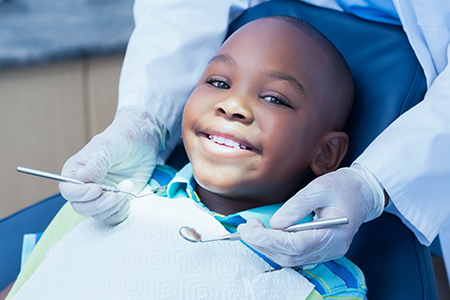
Regular appointments give us the chance to track growth and catch problems early. At each exam we review your child’s health history, examine teeth and gums, evaluate bite and jaw function, and look for early signs of decay or wear. These visits are also opportunities to tailor oral hygiene coaching to your child’s developmental stage.
Dental cleanings remove plaque buildup in places brushing may miss and help reduce inflammation or early gum changes. When necessary, we take targeted digital radiographs to assess what’s happening beneath the surface—revealing cavities between teeth, the status of developing adult teeth, or the health of bone supporting the dentition.
From infancy through the teen years, these periodic evaluations are a roadmap for personalized care. They allow us to recommend preventive treatments, counsel on oral habits, and plan interventions only when they truly benefit your child’s long-term smile and health.
Tooth decay remains one of the most common childhood conditions, but it is largely preventable. Decay develops when bacteria, frequent sugar exposure, and inconsistent cleaning combine to erode enamel. In young children, prolonged contact with sugary liquids—especially at night—significantly raises the risk of early cavities.
Parents can reduce decay risk by limiting prolonged bottle or sippy-cup use with milk or juice, encouraging water between meals, and introducing fluoride toothpaste in an age-appropriate amount when teeth begin to erupt. Establishing healthy snack routines and supervising brushing until children have the dexterity to do it thoroughly are practical, high-impact steps.
When decay is detected, timely treatment prevents pain and preserves space for future permanent teeth. Our approach favors minimally invasive techniques whenever possible, paired with education that helps families break the cycle of recurrent problems.
Start preventive care early by scheduling a dental visit by the first birthday or when the first tooth appears.
Clean baby teeth gently with a soft cloth or infant brush; switch to a soft-bristled toothbrush as more teeth erupt.
Avoid letting infants fall asleep with bottles containing milk or juice; offer water if a bottle is needed at bedtime.
Bring children for routine checkups and cleanings at intervals recommended by the dental team—typically every six months.
Model consistent brushing and flossing to encourage lifelong habits; make it engaging and praise effort rather than perfection.
Choose tooth-friendly snacks, swap sugary drinks for water, and limit frequent grazing on sweets.
Support children through transitions—like giving up pacifiers or thumb-sucking—by offering gentle encouragement and alternative comforts.
Use a properly fitted mouthguard for sports and activities that carry a risk of dental injury.

Even before the first tooth appears, steps taken by caregivers influence oral health outcomes. During pregnancy and early infancy, attention to nutrition, oral hygiene, and safe feeding practices supports healthy tooth development. Once baby teeth begin to erupt, short, gentle cleaning sessions and routine monitoring become important tools in preventing early decay.
Professional guidance helps parents make confident choices about products, techniques, and timing. Recommendations from major dental organizations support an early dental home; bringing infants in for an initial visit gives families individualized guidance on everything from soothing teething discomfort to preventing feeding-related decay.
Because primary teeth serve as placeholders for permanent teeth and aid speech and nutrition, protecting them is not optional—it is an essential part of healthy development. Early engagement with the dental team helps families feel prepared and informed at every stage.
As children grow, their needs change. We routinely assess jaw growth, facial development, and tooth alignment so that any necessary interventions can be timed for maximum effectiveness. Monitoring these patterns allows us to advise on preventive measures and, when appropriate, coordinate with orthodontic specialists for early guidance.
Preventive technologies such as dental sealants and professionally applied fluoride provide added protection for vulnerable chewing surfaces as permanent molars erupt. Sealants are a painless, proactive option that can significantly reduce the risk of cavities on back teeth when used alongside good home care.
Injuries and emergencies can occur during play or sports. A properly fitted mouthguard is a simple protective device that reduces the risk of dental trauma; we’ll help determine which style is best for your child’s activity level and provide fitting guidance when needed.
Children and teens experience rapid physical and behavioral changes that affect oral health. Our team stays focused on building skills and knowledge that equip young patients to manage their own care responsibly. Education about technique, frequency, and the rationale behind preventive choices empowers adolescents to make smart decisions independently.
We also emphasize the connection between nutrition, general health, and oral outcomes. A balanced diet rich in vitamins and minerals supports strong teeth and bone development, while reducing high-frequency sugar exposure helps prevent decay and inflammation.
Throughout these formative years, the dental team acts as a consistent resource—watching for signs that require intervention, recommending timely referrals when necessary, and reinforcing routines that lead to healthy, confident smiles into adulthood.
Monitoring facial growth and bite relationships helps us spot issues early—when correction is often simpler. At periodic exams we evaluate symmetry, tooth eruption patterns, and how the upper and lower teeth come together. If early orthodontic evaluation is appropriate, we’ll discuss options and next steps so families can make informed choices.
What children eat influences not only their overall health but also the resilience of their teeth. Encouraging regular meals, limiting sticky and sugary snacks, and prioritizing water over sweetened beverages are practical habits that support stronger enamel and healthier gums. We provide straightforward guidance families can apply at home to reinforce these choices.
In summary, thoughtful preventive care, age-appropriate education, and routine professional monitoring form the backbone of pediatric dentistry. At Po Dentistry, we focus on creating positive experiences and practical strategies families can use every day to protect growing smiles. Contact us for more information.
A pedodontist is a dentist who has received advanced specialty training in meeting the dental needs of children from infancy to adolescence. Pedodontists, also referred to as "pediatric dentists," study child psychology, behavior management, caring for children with special needs, methods of handling oral/facial trauma, and various techniques for providing anesthesia and sedation. Pedodontists also understand the complexities of facial growth and development and have the clinical skills required to meet the dental needs of all children at every stage of development. Most of all, pedodontists are passionate about what they do and enjoy working with children. They strive to make every dental experience a positive one as they help children establish a strong foundation for good oral health.
Even before your child is born, their first set of teeth is already forming. In fact, by one year of age, some of your baby's front teeth will have already come into place. While the arrival of your baby's first teeth is only one of many developmental milestones, it represents an excellent time to begin a program of oral care. According to recommendations from the American Dental Association, babies should see the dentist around the time of their first birthdays.
Your baby's first teeth typically begin to appear in the 6 to 12-month range. While this is an extraordinary milestone, you need to be aware that your baby may find the experience a little bit uncomfortable. Teething can make babies feel irritable. They may be fussy, have trouble sleeping, not want to eat, and drool quite a bit.
Although you are powerless to speed up the process of teething, there are a few things that you can do to soothe your baby as the new teeth are erupting into place. Common approaches to helping your baby feel more comfortable while getting new teeth, include teething rings or a cold spoon or moist gauze rubbed over their gums.
Even for these few new teeth, it's absolutely essential to establish an effective regimen of oral care. For information on when your baby's first set of teeth will erupt into place, consult this timeline from the American Dental Association: Eruption Charts
Some children persist in sucking their thumbs or fingers beyond their preschool years. For these children, the activity continues to be a source of comfort, relaxation, and security. It may even help them fall asleep at night. However, it's essential to be aware that in the long-term, a finger sucking habit is not healthy.
If your child's thumb or finger sucking habit is still present when the permanent teeth begin to come in, your child is at a higher risk of developing a bad bite. By the age of five or six years, you need to constructively and gently help your child stop the habit.
It's also a good idea to have a comprehensive evaluation at this time. Your pedodontist can assess if there are any habit related alterations to the alignment of your child's teeth or jaws, or if it is affecting their speech or swallowing patterns. They can also discuss habit control strategies with you, as well as follow your child's bite and facial development as they grow. If interceptive appliances or corrective orthodontic care are recommended, the timetable and best options in care will be explained in complete detail.
Dental organizations including the American Academy of Pediatric Dentistry advise scheduling a child's first dental visit by their first birthday or within six months of the first tooth erupting. Early visits allow the dentist to evaluate oral development, screen for early decay and offer guidance on feeding and hygiene practices. Establishing care at a young age also helps children become familiar with the dental office and reduces anxiety over time.
The initial appointment is typically brief and focused on a gentle exam, a review of medical and feeding history, and parent education. The dentist or hygienist will demonstrate proper cleaning techniques for infants and answer questions about teething and pacifier use. If any risk factors are present, the team will recommend a follow-up schedule tailored to your child's needs.
Routine dental checkups and cleanings are commonly scheduled every six months, which allows the dental team to monitor growth and catch problems early. Frequency may be adjusted based on individual risk factors such as past decay, orthodontic concerns, medical conditions or dietary habits. Regular visits also provide ongoing opportunities for preventive care and reinforcement of at-home hygiene.
During these appointments the dentist will reassess risk, perform a clinical exam and recommend appropriate preventive measures like topical fluoride or sealants when indicated. Radiographs are taken only as needed to evaluate developing teeth and detect hidden decay. The visit cadence is individualized so children receive the level of monitoring and prevention that best supports their oral health.
A pediatric dental exam includes a review of medical and dental history, a thorough inspection of the teeth, gums, bite and oral soft tissues, and an assessment of jaw development and function. The clinician will check for signs of decay, enamel defects, and habits that may affect growth such as thumb sucking or mouth breathing. For young children the visit is conducted using child-friendly communication and techniques to keep the experience positive.
The cleaning portion typically involves gentle removal of plaque and buildup, polishing, and personalized instruction on brushing and flossing for the child and parent. Fluoride varnish or other preventive measures may be applied when appropriate to reduce decay risk. If radiographs are necessary to evaluate underlying issues, they are taken with digital sensors to minimize radiation exposure and improve diagnostic accuracy.
Preventing tooth decay begins with good daily habits: clean gums after feedings, wipe emerging teeth with a soft cloth or infant brush and avoid putting a baby to bed with milk or juice. Limiting sugary snacks and handing out water as the primary drink between meals reduces the time teeth are exposed to decay-causing acids. Establishing supervised brushing with a smear of fluoride toothpaste as teeth appear helps build lifelong habits.
Parental modeling is essential—children are more likely to follow routines they observe. The dental team can provide tailored advice on fluoride use, oral hygiene techniques and when to start a toothbrush for independent brushing. Periodic professional assessments let providers identify early signs of decay and adjust preventive strategies before small problems become larger concerns.
Effective pediatric behavior management uses strategies like tell-show-do, positive reinforcement, distraction and age-appropriate explanation to help children feel safe and cooperative. The dental team builds rapport with both child and parent, sets clear expectations and moves at a pace suited to each child’s comfort level. Creating a warm, engaging environment lowers stress and supports positive long-term attitudes toward care.
For children with significant anxiety, developmental differences or special health needs, the dentist will review tailored options that may include scheduling adjustments, additional appointment time or, in select cases, sedation after a careful evaluation and informed consent. Open communication between parents and the dental team ensures that the chosen approach balances safety, effectiveness and the child’s emotional well-being.
Fluoride treatments delivered in the dental office are a safe and evidence-based method to strengthen developing enamel and reduce the risk of cavities when used appropriately. Topical fluoride varnish is commonly applied to young children at checkups and works by enhancing remineralization of early lesions. The dental team will recommend the appropriate frequency based on a child’s individual decay risk.
Dental sealants are a thin protective coating applied to the chewing surfaces of permanent molars to block out bacteria and food particles that cause decay. Sealants are painless to place and can provide long-term protection for teeth that are difficult to clean. A clinician will evaluate the timing and need for sealants as part of a comprehensive preventive plan.
Thumb-sucking and pacifier use are normal self-soothing behaviors in infants and young children and typically do not cause lasting problems if they stop by age 3 to 4. Concern increases if the habit persists as permanent teeth erupt or continues beyond the early preschool years because prolonged sucking can affect bite alignment and jaw growth. The dental team will monitor dental changes and advise parents on timing and strategies for habit cessation.
Interventions start with gentle, positive approaches such as praise, substitute comfort measures and limiting the habit to specific situations. If the habit remains after age 4 or has produced noticeable dental changes, the dentist can recommend behavior techniques or, in select cases, discuss simple appliance options to discourage continued sucking. Early guidance helps avoid more complex orthodontic consequences later on.
Immediate steps depend on the type of injury: for a knocked-out permanent tooth, keep the tooth moist and seek dental care right away for the best chance of successful reimplantation; for a broken tooth, control bleeding with gentle pressure and preserve any fragments. Severe pain, uncontrolled swelling, signs of infection or a tooth pushed out of position also require prompt attention. Primary (baby) teeth that are knocked out should not be replanted, but a dental exam is still important to evaluate the injury.
After urgent first-aid measures, contact your dental provider or an emergency dental service for guidance and evaluation. The dental team will advise whether same-day care is needed and outline next steps to manage pain, protect oral tissues and reduce the risk of complications. Knowing basic first-aid measures and having your dentist’s emergency contact information can speed access to care when time matters.
Pediatric dental visits include monitoring facial growth, jaw development and how the upper and lower teeth come together because early changes can influence long-term function and appearance. The clinician evaluates bite relationships, symmetry, eruption patterns and habits that may affect growth. Tracking these measurements over time helps determine whether early or interceptive treatment is beneficial.
The American Association of Orthodontists recommends an evaluation by about age 7 to identify developing problems while simpler interventions are often still effective. If concerns such as significant crowding, crossbites, severe overbites or functional issues are observed, the dentist will discuss timing and options for specialist referral. Early assessment enables coordinated care that can reduce the need for more complex treatment later.
Po Dentistry provides family-focused pediatric dentistry with an emphasis on prevention, gentle techniques and clear communication to support each child's comfort and oral development. The practice follows current infection control guidance and uses evidence-based preventive strategies to help families establish healthy routines. The clinical team works to make visits informative for parents and positive for children, building a foundation for lifelong oral health.
Located on Manheim Pike in Lancaster, PA, the office offers coordinated care that addresses routine prevention, growth assessment and urgent needs as they arise. Clinicians consult with families about individualized plans and, when appropriate, collaborate with orthodontic or specialty colleagues to ensure comprehensive care. Parents can expect a practice that prioritizes safety, education and a thoughtful approach to each child's dental journey.
Our goal is to help every patient experience the benefits of good oral health and a beautiful smile. We value the trust you have placed in our office and strive to provide solutions that meet your dental needs and expectations of care.