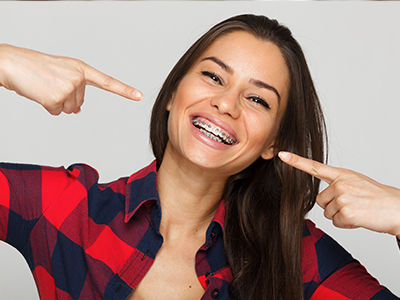
Orthodontics is more than a cosmetic upgrade — it’s the art and science of aligning teeth and jaws so they work together efficiently. Misaligned teeth or an uneven bite can stem from genetics, early tooth loss, oral habits, or changes that occur as teeth shift over time. Left uncorrected, these issues can make everyday tasks like chewing and speaking more difficult and can contribute to long-term wear or other dental problems.
When teeth and jaws are coordinated, cleaning them becomes more effective and predictable. Fewer hidden grooves and tight overlaps make brushing and flossing simpler, which supports stronger gums and reduces the risk of decay. A balanced bite also helps distribute chewing forces evenly, protecting teeth from uneven wear that can cause sensitivity or fractures years down the road.
In some cases, orthodontics addresses not only tooth position but also the underlying jaw relationships. Skeletal discrepancies — where the upper and lower jaws don’t sit in harmony — can affect facial appearance, airway health, and jaw comfort. Thoughtful evaluation allows clinicians to identify when tooth movement alone is sufficient and when additional approaches are needed to restore comfort, function, and balance.
Patients often notice practical signs that suggest orthodontic evaluation is warranted: persistent food trapping, uneven tooth wear, difficulty biting into certain foods, or jaw soreness after chewing. Sometimes the issue is obvious visually, and sometimes it’s discovered during a routine exam. Early recognition and timely care improve the chances of an efficient, stable outcome.

Modern orthodontic treatment relies on precise, controlled forces to guide teeth into healthier, more stable positions. Treatment begins with a thorough assessment — clinical examination, x-rays or 3-D imaging when needed, and a discussion about goals and expectations. From there, a customized plan maps the sequence of movements so the teeth transition gradually and the supporting tissues adapt in a healthy way.
Treatment timing and duration vary with each person. Some cases are limited and focus on shifting a few teeth, while others require comprehensive care to align an entire bite. Typical comprehensive treatment tends to progress over months to years, depending on the complexity of the problem and how consistently appliances are worn and maintained.
Good oral hygiene and consistent follow-up are essential partners to the mechanical aspects of orthodontics. The best long-term results come from combining technical precision with patient collaboration — keeping teeth clean, attending scheduled adjustments, and following dietary and wear-time guidance for removable appliances.
Successful treatment doesn’t end the day braces come off. A well-considered plan includes retention strategies to help teeth remain in their new positions and ongoing checks to monitor oral health. Clinicians aim to create changes that are both cosmetic and functional so the smile continues to support efficient chewing, comfortable jaw movement, and straightforward oral care.
There is no one-size-fits-all approach to orthodontics. Today’s options range from traditional fixed braces to low-profile ceramic brackets, lingual braces hidden behind the teeth, and clear removable aligners. Choosing the correct method depends on clinical factors — how the teeth meet, how much crowding exists, whether extractions are necessary, and the relationship between the upper and lower jaws — as well as personal preferences about appearance and maintenance.
Some appliances are better suited to complex bite corrections, while others excel at mild-to-moderate tooth movement. Fixed brackets provide precise three-dimensional control of tooth movement, while removable aligners offer greater discretion and easier brushing and flossing. The treatment team will weigh these options and recommend an approach that aligns with both the health needs of the teeth and the patient’s lifestyle.
Patient cooperation plays a major role in treatment success. Removable systems require adherence to daily wear times, while fixed appliances require attentiveness to hygiene and dietary restrictions. Regardless of the selected method, predictable outcomes are built on a partnership between the clinician and the patient.
How severe the bite or alignment problem is and whether jaw growth needs to be addressed
The amount of crowding or space between teeth and whether tooth movement can achieve the desired alignment
Whether tooth extractions or supportive appliances will be part of the plan
The patient’s ability to maintain excellent oral hygiene and follow appliance instructions
How long appliances will need to be worn to achieve and stabilize the result

Clear aligners have transformed expectations for how orthodontic treatment can look and feel. These custom-milled trays gently shift teeth through a series of planned stages, and most patients appreciate how discreet and comfortable the process can be. Because aligners are removable, they simplify oral hygiene and reduce the day-to-day restrictions that come with traditional brackets and wires.
That said, aligner therapy is one of several effective tools. Fixed ceramic or metal braces still provide excellent control for certain kinds of tooth movement, and lingual braces — attached to the back of the teeth — remain an excellent option for people who want an invisible appearance during treatment. The clinical team will recommend the method that best balances effectiveness and patient preferences.
At the office of Po Dentistry, we evaluate each smile against the most appropriate techniques and technologies available. Our goal is to pair the chosen treatment with a clear plan for predictable progress and ongoing oral health, so patients know what to expect and feel confident in their care.
After a comprehensive evaluation and digital records, a clinician designs the movement sequence and provides a series of aligners. Patients typically change to the next aligner in the series at prescribed intervals and visit the office periodically to review progress. Because the movement is staged, patients can see steady improvements while maintaining the flexibility to remove trays for meals and cleaning.
Orthodontic care spans all ages. For growing children, timing can be crucial: early evaluation allows the team to monitor development and intervene when growth patterns or habits could compromise future alignment. Many children begin comprehensive treatment between ages 9 and 14, when permanent front teeth and molars are present and jaw growth can be leveraged to advantage.
Adults also benefit greatly from orthodontics; treatment options are more discreet and comfortable than ever. That said, adult care often requires attention to the overall health of the teeth and supporting bone. Addressing any existing dental disease or structural concerns before movement begins helps ensure a stable, healthy outcome.
Retention is a core component of long-term success. Teeth can drift over time, so retainers — whether fixed or removable — are used to give the surrounding tissues a chance to settle into their new configuration. Committing to retention is the best way to protect the investment of time and effort that orthodontic care requires.

After active movement, patients receive clear guidance about retainer wear, follow-up visits, and oral hygiene practices that preserve both alignment and overall oral health. Simple habits like consistent cleaning, protecting teeth during sports, and addressing new dental issues promptly help maintain results for years to come.
Whether you are exploring orthodontic options for a child or considering treatment for yourself, focusing on health, predictable mechanics, and a thoughtful retention strategy will lead to the most satisfying and lasting outcomes.
In summary, modern orthodontics offers many pathways to a healthier, more comfortable smile. From planning and appliance selection to movement and retention, each phase is designed to restore balance, support oral health, and enhance daily function. If you’d like to learn more about how orthodontic care could help you or a family member, please contact us for more information.
Most parents wonder when is the best time to have their child evaluated for braces. One common misconception regarding orthodontic treatment is to wait until all of your child's permanent teeth (except the wisdom teeth) are present. However, an orthodontist can identify most problems involving the alignment of the teeth and jaw growth by the time a child is in the first or second grade. For this reason, the American Association of Orthodontists recommends that all children have a check up with an orthodontic specialist no later than age 7.
It is important to keep in mind that aligning the teeth and the jaws does not happen overnight. Whether you are wearing conventional braces, clear aligners, or any other type of appliance, orthodontic movement is a gradual process. Orthodontic tooth movement is based on the use of light and continuous forces to correct your bite in an incremental, predictable, and healthy manner.
The total duration of orthodontic care, not including wearing retainers to maintain the result, depends on several factors. Such things as growth, as well as compliance with care, may influence treatment time. On average comprehensive orthodontic care to correct a malocclusion can take anywhere between 18-36 months. Orthodontic treatment for more limited problems with tooth alignment typically ranges from 6 to 18 months.
Because orthodontic movement takes time, most appointments after the initial placement of appliances are scheduled approximately four to eight weeks apart. This interval gives your teeth time to move at both a steady and healthy pace. However, there may be situations where more frequent visits to evaluate the status of your case, tooth movement, or to have an additional adjustment are required.
Teeth can be moved at any age. Orthodontic treatment as an adult can completely transform an imperfect and poorly aligned smile into one that is attractive and functions at its best. However, initiating orthodontic care and achieving a successful outcome relies on the presence of healthy teeth and supporting bone. For these reasons, it is essential for adult patients to address any outstanding dental problems before their appliances are placed and to remain diligent about maintaining their oral health throughout care.
Orthodontic treatment uses specially designed appliances to move teeth and, when needed, influence jaw growth and alignment. These appliances apply controlled, incremental forces so teeth shift into positions that improve function and appearance. Treatment is planned to protect tooth health, bite mechanics and long-term stability.
The process can address single-tooth movements, correct spacing or crowding, and resolve bite discrepancies between the upper and lower jaws. Modern treatment emphasizes individualized plans that balance cosmetic goals with oral health needs. Advances in imaging and digital planning allow more predictable, efficient care than in the past.
A well-aligned smile makes routine oral hygiene easier because straight teeth create fewer hard-to-reach areas for plaque to accumulate. When teeth are easier to clean, the risks of tooth decay and gum disease are reduced and overall oral health is easier to maintain. Proper alignment also helps protect teeth from excessive wear and accidental trauma.
Alignment affects chewing efficiency and speech, so a balanced bite supports comfortable function and digestion. Good occlusion also helps preserve temporomandibular joint health by distributing forces more evenly during jaw movement. For many patients, these functional benefits accompany improved confidence and long-term oral wellness.
Children, teens and adults can all be candidates for orthodontic care when crooked teeth, spacing issues or bite problems affect function, appearance or oral health. Ideal candidacy depends on the health of the teeth and supporting bone, the severity of the alignment problem, and the patient’s commitment to follow treatment instructions. A comprehensive evaluation including dental records and imaging determines whether orthodontics is appropriate.
At Po Dentistry we assess each patient’s medical and dental history, periodontal condition and restorative needs before recommending treatment. Some patients will benefit from early interceptive measures while others are best served by comprehensive orthodontics during adolescence or adulthood. Treatment plans are tailored to the individual and may involve coordination with other dental specialists when necessary.
The American Association of Orthodontists recommends that children receive an orthodontic evaluation by about age 7, when early signs of jaw or tooth alignment problems are often identifiable. At this stage a clinician can spot issues such as severe crowding, crossbites, abnormal jaw relationships or harmful oral habits that may benefit from early intervention. Early evaluation does not always lead to immediate treatment but helps establish monitoring and timing.
If a child exhibits signs like difficulty breathing through the nose, persistent thumb sucking, early loss of baby teeth, or asymmetrical jaw growth, a visit sooner than age 7 is appropriate. Early guidance can simplify later treatment by taking advantage of growth and development. Regular dental checkups allow the dental team to watch transitions from baby to permanent teeth and recommend orthodontic referrals when indicated.
Contemporary orthodontics offers a range of appliances including conventional metal braces, smaller low-profile metal brackets, tooth-colored ceramic brackets and lingual braces that attach behind the teeth. Self-ligating brackets, which reduce friction, and removable appliances such as functional plates or space maintainers are also options depending on the clinical goals. These choices allow clinicians to match treatment mechanics to each patient’s needs while addressing aesthetics and comfort.
Temporary anchorage devices and adjunctive tools can provide additional control for complex movements, and retainers are used after active treatment to preserve results. Digital impressions, intraoral scanning and 3-D planning have improved how cases are designed and executed. The best appliance for a patient is selected after a careful assessment of the bite, tooth positions and long-term stability considerations.
Clear aligner therapy uses a series of custom-made, removable trays that progressively shift teeth by applying light, targeted forces to specific teeth. Patients wear each aligner for a prescribed period and then switch to the next tray in the series, allowing gradual, controlled movement while maintaining oral hygiene more easily than with fixed braces. Aligners are virtually invisible, which makes them popular with image-conscious teens and adults.
Clear aligners can treat a wide range of mild to moderate alignment issues but require patient compliance to be effective since trays must be worn consistently. At Po Dentistry we evaluate the complexity of the malocclusion, existing dental restorations and periodontal health to determine candidacy for aligner therapy. For some complex bite or jaw discrepancies, fixed appliances or a combined approach may offer more precise control.
Treatment length varies with the severity of the problem, the type of appliance used and patient-specific factors such as growth and compliance. Limited tooth movements may be completed in several months, while comprehensive cases that correct bite relationships often take between 18 and 36 months. Treatment timelines are estimates and can change if additional procedures such as extractions or adjunctive appliances are required.
Regular attendance at scheduled appointments and careful adherence to hygiene and appliance instructions can help keep treatment on track. Growth in children and adolescents can either accelerate or complicate progress depending on timing. After active alignment, a retention phase is necessary to stabilize results and protect the investment of time and effort.
Initial visits typically include a clinical exam, diagnostic imaging and discussion of goals and treatment options. The orthodontist or general dentist trained in orthodontics will explain the recommended appliance, expected timeline and any additional procedures needed to support healthy movement. A treatment plan outlines the steps involved and the schedule for follow-up appointments.
During active treatment most patients are seen every four to eight weeks for monitoring, adjustments or to receive the next phase of appliances. Appointments focus on evaluating tooth movement, making controlled adjustments and checking oral hygiene. If problems such as loose attachments or discomfort occur between visits, the office can provide guidance and timely care to keep progress steady.
Adults seeking orthodontic treatment often present with previous dental work, restorations, or periodontal conditions that must be evaluated before tooth movement begins. Bone density and gum health influence the approach and may require collaboration with a periodontist or restorative dentist to manage existing issues. Adults are also more likely to need adjunctive treatment to correct changes caused by long-standing misalignment.
Because adult teeth no longer benefit from predictable growth patterns, treatment mechanics may differ from those used in children and adolescents. Long-term maintenance and realistic expectations about movement speed and outcomes are important. With the right planning and coordination, adults can achieve stable, functional and aesthetic results while preserving overall dental health.
Retainers stabilize teeth after active orthodontic movement by allowing the supporting fibers and bone to reorganize around the new tooth positions. Without retention there is a natural tendency for teeth to drift toward their original positions due to elastic memory in the surrounding tissues and ongoing forces from the tongue, lips and bite. Wearing retainers as prescribed reduces the risk of relapse and preserves the alignment achieved through treatment.
Retainers can be removable or fixed and the recommended wear schedule is individualized based on the original problem and patient factors. Long-term or intermittent retainer use is common to maintain results over many years, and periodic checkups ensure the retainer fits and functions properly. Maintaining good oral hygiene and attending follow-up visits help protect both the retention appliance and the health of the teeth and gums.
Our goal is to help every patient experience the benefits of good oral health and a beautiful smile. We value the trust you have placed in our office and strive to provide solutions that meet your dental needs and expectations of care.