At Po Dentistry, we combine modern materials with careful planning to restore teeth that need more than a simple filling. Our goal is to deliver durable, natural-looking results while keeping each patient comfortable and informed. We prioritize gentle care and evidence-based techniques to protect your long-term oral health.
Tooth enamel is the strongest substance in the body, but teeth can still suffer damage from decay, injury, or years of grinding and wear. In many cases a filling can repair a small area of decay, but when a large portion of a tooth is compromised, a full-coverage restoration — a crown — is a more reliable way to restore form and function.
Advances in dental ceramics have given clinicians access to crowns that are metal-free, highly biocompatible, and remarkably lifelike. Ceramic crowns let us match color, translucency, and surface texture closely to your natural teeth while providing the strength needed for everyday chewing.
Every treatment plan is individualized. Our team focuses on preserving healthy tooth structure when possible and selecting materials that balance strength, appearance, and long-term stability. We’ll explain the options clearly so you can choose a solution that suits both your functional needs and aesthetic goals.
Not every damaged tooth requires a crown. Sometimes a well-placed filling or an inlay/onlay is enough. A crown becomes the preferred approach when the remaining tooth structure cannot reliably support a restoration, or when protection from repeat fracture is needed.
Typical situations where a crown is often recommended include large cavities that remove most of the chewing surface, a tooth that has cracked or fractured, or a tooth that has undergone root canal therapy and needs reinforcement. Crowns also restore teeth that serve as anchors for bridges or support implant restorations.
Other factors that influence the recommendation include the tooth’s position (front vs. back), the amount of bite force it bears, cosmetic concerns, and whether the patient has habits such as clenching or grinding. Your dentist will evaluate these elements during an exam and discuss the most appropriate restorative option.
We believe in involving patients in the decision-making process. That means reviewing X-rays and images, explaining the pros and cons of different materials, and outlining what you can expect from the treatment so you can make an informed choice.
To repair a tooth with extensive decay or fracture that compromises strength
To replace a large or failed filling that no longer provides adequate support
To restore a dental implant with a natural-looking crown
To anchor a traditional dental bridge by covering abutment teeth
To protect and strengthen a tooth after root canal treatment
To improve the appearance of a misshapen, discolored, or undersized tooth
To correct bite issues that contribute to uneven wear or sensitivity

All-ceramic crowns are engineered to mimic natural tooth structure across multiple dimensions: color, translucency, and surface sheen. Unlike restorations that use a metal substructure, ceramic crowns transmit light in a way that resembles enamel, helping them blend seamlessly with adjacent teeth.
Ceramics used today — including advanced porcelains and zirconia-based materials — offer a combination of esthetics and durability that was difficult to achieve in earlier generations. For front teeth, translucency and subtle color gradation are critical; for back teeth, strength and resistance to chipping are paramount.
Biocompatibility is another important advantage. Ceramic restorations are metal-free, reducing the risk of tissue irritation and making them a suitable option for patients with metal sensitivities. They also resist staining and maintain an attractive appearance over time with proper care.
Because many ceramic crowns can be made thinner than older restorations, they often require less removal of healthy tooth structure. This conservative aspect helps preserve the tooth’s integrity while still providing the protection and longevity a compromised tooth requires.
Excellent light transmission and natural-looking translucency
May require less tooth reduction thanks to high-strength material options
Lighter and metal-free construction that is gentle on surrounding tissues
Resistant to surface staining and discoloration
Suitable for patients with metal allergies or sensitivities
No visible dark metal margin at the gumline, preserving a natural appearance
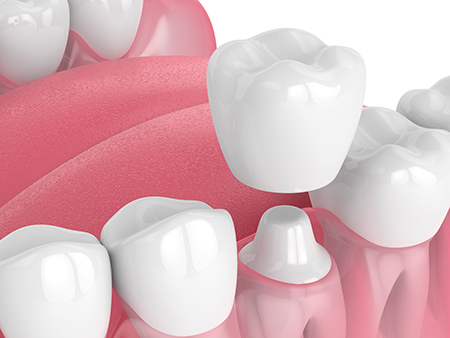
Not all ceramic crowns are identical. The ideal material depends on the tooth’s location, how much force it endures, and the aesthetic expectations for that area of the smile. We assess each case and recommend the best balance of strength and appearance.
For highly visible front teeth, ceramics that offer superior translucency and detailed shading tend to be the top choice. For molars, where chewing forces are greater, zirconia and other high-strength ceramics provide exceptional durability. Some cases call for layered approaches to combine strength with a lifelike surface finish.
Advances in dental manufacturing — including computer-aided design and milling — let us create precise restorations that fit snugly and function well within the bite. Whether a crown is fabricated in a dental laboratory or milled in-office, our objective is a restoration that looks natural and lasts.
When selecting a material, we weigh factors such as remaining tooth structure, opposing teeth, habits like clenching, and the overall design needed to achieve a stable, long-lasting result.
Lithium disilicate porcelain crowns — great for combining beauty and reliable strength
Leucite-reinforced pressable porcelain — an esthetic option for anterior restorations
Solid or monolithic zirconia — very strong, often chosen for high-stress posterior teeth
High-translucency zirconia — balances strength with improved light transmission for better esthetics

Our practice emphasizes thoughtful planning and clear communication. Before any restorative work begins, we perform a thorough exam, review radiographs, and discuss how a crown will affect your bite and the surrounding teeth. This reduces surprises and helps deliver predictable results.
We use digital imaging and shade-matching techniques to make sure the color and shape of your crown harmonize with your smile. When appropriate, CAD/CAM fabrication allows us to produce highly accurate crowns that require fewer adjustments at the time of placement.
Every restoration is planned with long-term preservation in mind. We aim to retain as much healthy tooth structure as possible, select materials suited to your needs, and provide guidance on protecting your investment through proper home care and routine dental visits.
Our experienced clinician, Dr. Jennifer Po, works closely with skilled dental technicians when lab-fabricated crowns are indicated. That collaboration ensures both the functional fit and the esthetic result meet our standards of care.
The process usually begins with an evaluation and treatment planning visit. During that appointment we’ll examine the tooth, take any necessary X-rays, and discuss whether a crown is the right choice. If so, we review material options and timeline so you know what to expect.
When it’s time to prepare the tooth, the dentist shapes the surface to create space for the crown while preserving as much natural structure as possible. A temporary crown protects the prepared tooth while the final restoration is made. For patients who qualify, same-day milling can eliminate the need for a temporary.
Once your new crown arrives from the lab or is milled in-office, we check fit, color, and bite. Any minor adjustments are made before the crown is permanently cemented. We’ll review simple care instructions — such as gentle cleaning around the margin and avoiding very hard foods for a short time — to help ensure a smooth recovery.
Follow-up visits allow us to monitor how the crown is functioning and to address any questions. With regular dental care and sensible habits, a well-made ceramic crown can serve you reliably for many years.
In summary, ceramic crowns are a versatile and esthetic way to restore damaged teeth while preserving oral health. If you’d like to learn more about whether a ceramic crown is right for you, please contact us for more information.
While a dental filling is designed to replace a portion of a decayed or damaged tooth, a dental crown offers full coverage to restore the tooth’s entire outer surface. A well-fitting dental crown not only protects and strengthens the underlying tooth structure, but it also restores the tooth’s appearance and function.
The procedure for getting an all-ceramic crown is much like the procedure for getting any other type of crown. In all cases, the tooth needs to be prepared, an impression taken, and a permanent crown cemented into place. A single all-ceramic crown can typically be fabricated over the course of two visits. However, with CAD/CAM technology, a same-day crown can be fabricated from start to finish in a single visit. With the first approach, a temporary crown is typically worn until the second visit, when the permanent restoration is placed. As with every treatment plan, our office will explain your best options in care.
As the name implies, a temporary crown is only worn for a short time until the permanent crown is placed. A temporary crown is typically fabricated from durable tooth-colored dental acrylics. While designed to protect the underlying tooth between appointments, and until your new permanent crown gets placed, a temporary crown is also fabricated to look like a natural tooth and maintain the look of your smile.
While you should feel better having an attractive and functional tooth to restore your smile, your tooth may feel a little sensitive following treatment. This initial sensitivity will subside. We take great care to make sure your new restoration looks great, fits well, and your bite is perfect. However, we’re always happy to make any minor adjustments to ensure your comfort.
With some exceptions, teeth with root canal procedures are typically restored and protected from further damage with a full-coverage crown. Based on what’s best for your smile, our office will recommend the most appropriate restoration to maintain the health and longevity of your tooth following a root canal procedure.
A dental crown is a long-term restoration that, if properly cared for, can serve you well for many years to come. Once your new crown is placed, it requires the same brushing, flossing, and periodic checkups as your natural teeth. Avoid biting your fingernails and chewing on hard or sticky objects such as ice, pencils, or taffy, which can damage or loosen your crown. Remember, clenching and grinding your teeth puts excessive pressure on both natural teeth and dental restorations. Unless treated, this habit can compromise the longevity and integrity of your dental work, including crowns.
Although your new all-ceramic crown restores the tooth's strength, form, and function, you can still develop dental disease in the absence of proper care. To prevent gum disease and tooth decay, it’s essential to brush and floss as instructed and see our office for routine checkups, cleanings, and care.
How long a dental crown lasts depends on various factors, including your level of oral care, diet, and oral habits. While the standard answer is that dental crowns can last anywhere from 5 to 15 years, existing literature confirms that most dental crowns remain in place at 15 to 20 years.
At the office of Po Dentistry, we strive to provide the highest quality of care to address all your dental needs. Once we’ve had the opportunity to examine your smile, we can give you a clear picture of any dental issues that are present, along with a quote for how much treatment will be. The cost of dental crowns can vary a little, depending on the type of crown and its location. Our goals are to provide the highest quality of care and help patients begin treatment without additional financial stress or delay. We’re always happy to answer all your questions on dental insurance coverage, available financing, and payment plans.
Coverage for all-ceramic crowns depends on your dental insurance plan. Today, many dental plans provide some level of coverage for all-ceramic crowns. At the office of Po Dentistry, we work with patients to optimize their dental benefits and get the care they need to maintain healthy and beautiful smiles!
Ceramic crowns are full-coverage restorations made from dental ceramics such as porcelain, lithium disilicate, or zirconia that are designed to replace the outer surface of a damaged tooth. Unlike porcelain-fused-to-metal (PFM) or gold crowns, ceramic restorations are metal-free and transmit light similarly to natural enamel, which helps them blend with neighboring teeth. Modern ceramics can be engineered for both high translucency and high strength, allowing clinicians to choose materials that match functional and aesthetic needs.
The main differences between ceramic options relate to strength, translucency and thickness requirements. Some ceramics, like lithium disilicate, offer a balance of esthetics and durability, while monolithic zirconia provides superior fracture resistance for high-stress areas. Your dentist will explain these trade-offs and recommend the material best suited to the tooth’s location and the forces it will endure.
A ceramic crown is typically recommended when the remaining tooth structure cannot reliably support a filling or inlay due to extensive decay, a large fracture, or significant wear. Crowns are also commonly used after root canal therapy to reinforce a tooth that has become brittle, when replacing a failed or oversized filling, and when restoring an implant abutment or anchoring a bridge. The goal of choosing a crown is to protect the tooth, restore proper function and prevent further breakdown.
Decisions about using a crown also take into account the tooth’s position in the mouth, the amount of chewing force it receives, and any habits such as clenching or grinding. In many cases a more conservative onlay or partial restoration may suffice, so a careful clinical exam and imaging help determine the most appropriate restorative option for long-term success.
Selecting the ideal ceramic material depends on the tooth’s location, the amount of occlusal force it must withstand, and the patient’s aesthetic priorities. For highly visible anterior teeth, clinicians often prefer materials with excellent translucency and shade layering, such as lithium disilicate or leucite-reinforced porcelains. For posterior teeth that endure greater chewing forces, monolithic or high-strength zirconia is frequently chosen for its resistance to chipping and fracture.
Other factors that influence material choice include remaining tooth structure, the condition of opposing teeth, any parafunctional habits, and the planned contour and thickness of the restoration. Your dentist will evaluate these elements and explain the advantages and limitations of each option so you can decide on a solution that balances appearance, durability and conservation of tooth structure.
The process usually begins with a comprehensive evaluation that includes a clinical exam, radiographs and discussion of treatment goals and material options. If a crown is recommended, we obtain digital scans or impressions and use shade-matching techniques to document the tooth’s color and surface characteristics. These records guide laboratory fabrication or in-office CAD/CAM milling and help ensure the final restoration meets aesthetic expectations.
At the preparation visit the tooth is shaped to create space for the crown while preserving as much healthy structure as possible, and a temporary crown protects the tooth if an outside lab is used. When the final crown is ready, we verify fit, occlusion and color before permanently bonding or cementing the restoration, then provide instructions for care and schedule follow-up to confirm comfort and function.
Well-made ceramic crowns can last many years when they are properly selected, placed and maintained, with many restorations providing reliable service for a decade or longer. Longevity is influenced by factors such as the material chosen, the amount of remaining tooth structure, the quality of the fit and cementation, and the patient’s oral hygiene and habits. Habitual bruxism, heavy chewing forces, or poor oral care can shorten a crown’s lifespan, whereas regular dental visits and attentive home care support long-term success.
Routine examinations allow the dentist to monitor the crown and surrounding tissues and to address minor issues before they become more serious. In some cases a crown can be repaired or re-cemented; when replacement is necessary, careful planning and material selection aim to restore function while preserving tooth structure.
Yes. One of the principal advantages of ceramic crowns is that they are metal-free and highly biocompatible, which makes them an excellent option for patients with known metal allergies or sensitivities. Ceramics rarely provoke allergic reactions in oral tissues, and they avoid the potential aesthetic problems associated with metal margins at the gumline. This metal-free construction also reduces the likelihood of galvanic reactions and tissue irritation in susceptible individuals.
Although ceramics are generally well tolerated, clinicians also consider material hardness and the potential for wear on opposing teeth when recommending a restoration. Your dentist will review your medical and dental history and select a ceramic type that balances biocompatibility with strength and surface properties suited to your bite.
Care for ceramic crowns closely mirrors care for natural teeth: brush twice daily with a soft-bristled toothbrush, floss once a day, and clean areas around the crown margin to prevent plaque buildup and decay at the crown-tooth interface. Using a nonabrasive fluoride toothpaste can help maintain surrounding enamel and any remaining tooth structure. Avoiding chewing ice, fingernails or other very hard objects reduces the risk of chipping or fracturing the restoration.
Patients who grind or clench their teeth may be advised to wear a night guard to protect crowns and natural teeth from excessive forces. Maintaining regular dental checkups and professional cleanings allows your team to monitor the crown, detect early wear or bonding issues, and intervene promptly if adjustments or repairs are needed.
Ceramic crowns can be used on both anterior and posterior teeth, but material selection is guided by the balance between esthetics and strength required for each location. For front teeth, translucent ceramics that replicate enamel characteristics are preferred to achieve a lifelike appearance and seamless integration with adjacent teeth. For back teeth, where chewing forces are greater, stronger ceramic systems such as monolithic zirconia provide enhanced fracture resistance while still offering acceptable aesthetics.
In some cases a layered approach is used to combine a strong ceramic substructure with an esthetic outer layer, delivering both durability and a refined surface finish. Your dentist evaluates functional demands, smile visibility and opposing dentition to recommend the material and design most likely to meet your expectations for appearance and long-term performance.
During the evaluation you can expect a thorough clinical exam, diagnostic radiographs and, when appropriate, intraoral photographs or digital scans to document tooth condition and bite relationships. The dentist will assess remaining tooth structure, adjacent and opposing teeth, periodontal health and any history of bruxism or previous restorations. This information helps determine whether a crown is necessary and which materials and design will provide the best outcome.
The planning discussion will cover the pros and cons of available options, the anticipated sequence of visits, and any steps needed to prepare surrounding teeth or periodontal tissues. Clear communication about what to expect at each stage—including preparation, temporary coverage, final placement and follow-up—helps reduce surprises and supports a predictable restorative result.
Po Dentistry relies on digital imaging, careful shade documentation and collaboration with skilled dental technicians to achieve a natural color match and precise fit for ceramic crowns. Digital scans or impressions capture the three-dimensional form of the tooth and adjacent structures, while photographs and shade guides record color subtleties and surface texture. When CAD/CAM milling is used, the digital workflow supports consistent fit and minimizes adjustments at delivery.
Before final cementation the restoration is tried in to confirm color, contour and occlusion, and any necessary refinements are made to harmonize the crown with the surrounding teeth. Follow-up visits allow the team to verify comfort and function and to make small adjustments if needed, ensuring the restoration meets both aesthetic and functional goals.
Our goal is to help every patient experience the benefits of good oral health and a beautiful smile. We value the trust you have placed in our office and strive to provide solutions that meet your dental needs and expectations of care.